
Google Pixel 11:新機能、Qi2.2、価格、アップグレードする価値はある?
更新日: 2026年8月18日
簡単な回答: Google Pixel 11はPixel 10からのアップグレードに値するか?
ほとんどのPixel 10所有者にとって、おそらくそうではないでしょう。 Pixel 11はより良いスマートフォンですが、大幅な世代間の飛躍というよりは、主に改良されたものです。
確認されている最大のアップグレードには、Tensor G6チップ、より大きな48MPメインカメラセンサー、256GBのベースストレージ、Qi2.2サポートによる最大25Wの高速Pixelsnapワイヤレス充電が含まれます。
Pixel 11 Proモデルは、より明るい3,600nitディスプレイ、アップグレードされたカメラとHiLightを追加し、Pixel 11 Pro Foldは、より薄く、軽く、耐久性が向上します。
すでにPixel 10を所有している場合、アップグレードする最も強い理由は、高速磁気充電、カメラの改善、または特定の新しいAI機能です。Pixel 8、Pixel 9、およびそれ以前のPixelの所有者は、より大きな累積的なアップグレードを実感するでしょう。
Googleは、2026年8月12日にPixel 11、Pixel 11 Pro、Pixel 11 Pro XL、Pixel 11 Pro Foldを正式に発表しました。
現在予約注文が可能で、2026年8月20日に小売店で販売開始される予定です。
MKBHDの初期のハンズオン印象は、Googleの発表メッセージよりもはるかに控えめです。彼は、新しいスマートフォンを、一部のPixelファンが待ち望んでいたような主要なハードウェアの飛躍というよりも、Pixel 10世代からの不満の残る漸進的な改善だと表現しています。
Pixel 11のどの詳細が公式、報告、または噂ですか?
| ステータス | 意味 | 例 |
|---|---|---|
| 公式 | Googleによって確認済み | 価格、Tensor G6、Qi2.2充電、カメラ、ストレージ、HiLightの利用可能性 |
| 報告済み | ハンズオン観察、公式仕様ではない | MKBHDの、折り目、ディスプレイの挙動、全体的なアップグレード価値に関するコメント |
| 噂 | 未確認 | 発売前の「Pixel Glow」という名称は噂であり、現在は公式のHiLightブランドに取って代わられている |
この記事では、未確認のPixel 11に関する主張を事実として扱いません。
Pixel 11の実際の新機能は何ですか?
公式: 標準のPixel 11は、おなじみの6.3インチデザインを維持しつつ、いくつかの重要な内部アップグレードを受けています。
Googleは、Pixel 10の128GBからPixel 11では256GBにベースストレージを増やしました。256GBと512GBの両方の構成には12GBのRAMが含まれています。
新しい48MPメインカメラは、より大きな1/1.56インチセンサーを使用しており、スマートフォンは超広角カメラと専用の5倍光学望遠カメラを保持しています。スーパーズームは最大30倍に達します。
ディスプレイは最大3,000nitのピーク輝度に達し、Google Tensor G6がTensor G5に取って代わります。
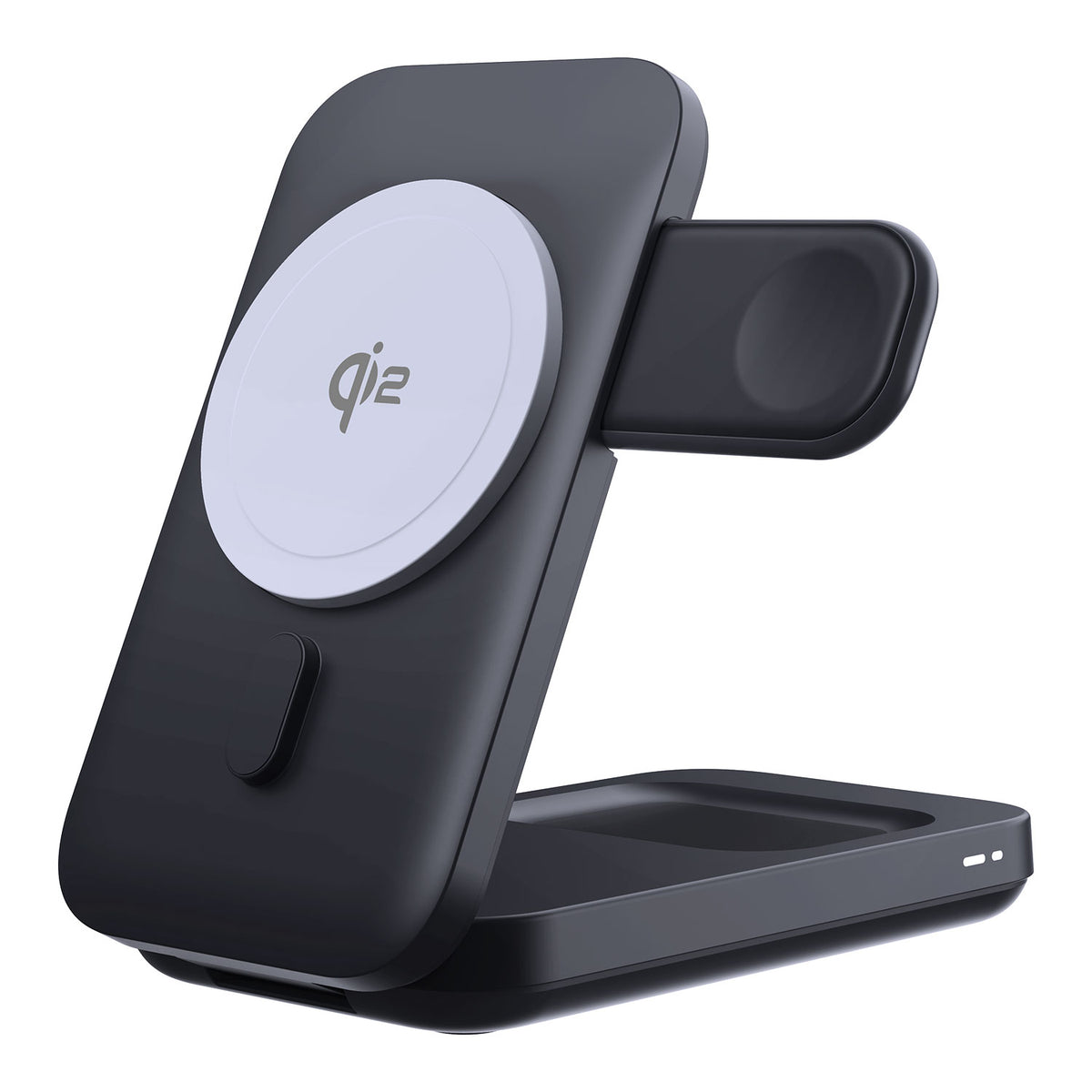
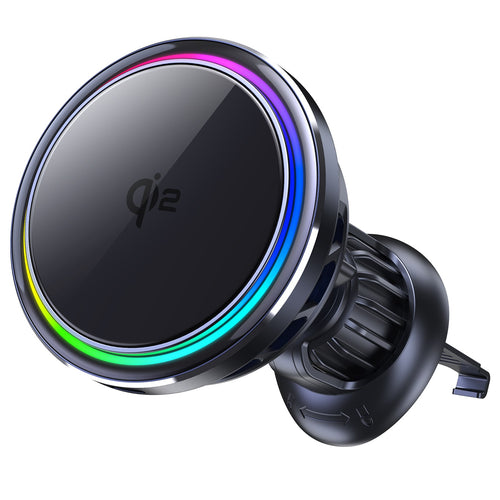
おそらく最も実用的なハードウェアのアップグレードは充電です。Pixel 11は、Qi2.2認証のPixelsnapワイヤレス充電を最大25Wでサポートするようになりました。
Googleの米国での開始価格は899ドルで、以前の799ドルのエントリーポイントよりも100ドル高くなっています。ただし、購入者は128GBではなく256GBからスタートします。
Pixel 11は25W Qi2.2磁気充電をサポートしていますか?
公式: はい。GoogleはPixel 11がQi2.2認証のPixelsnapワイヤレス充電を最大25Wでサポートすると記載しています。
比較すると、Pixel 10はQi2 Pixelsnap充電で最大15Wと公式に評価されていました。これは、定格ワイヤレス充電上限が15Wから25Wに上昇することを意味し、最大定格電力は約67%増加します。
これは、Pixel 11が0〜100%まで67%速く充電されるということを意味しません。
ワイヤレス充電速度は、バッテリー残量、温度、充電器の位置合わせ、電源アダプターの出力、バッテリー管理の制限によって動的に変化します。
磁気充電器を購入する場合、この区別は重要です。「25W」という表示はサポートされる上限を説明しており、持続的な実際のパフォーマンスは熱制御と電力ネゴシエーションに大きく依存します。
Pixel 11にHiLightはありますか?
公式: 標準のPixel 11にはHiLightは搭載されていません。
Googleは現在、HiLightをPixel 11 Pro、Pixel 11 Pro XL、およびPixel 11 Pro Foldの機能としてリストしています。
HiLightは、カメラのフラッシュ周辺のカラーLEDを使用して、電話が伏せられている間に情報を提供します。
発売時点では、Geminiが聞いている、考えている、応答しているときにさまざまな状態を表示できます。ユーザーは、選択した連絡先からの着信に色を割り当てることもできます。
Googleは、お気に入りの連絡先からのメッセージの通知が時間とともに追加されると述べています。
報告: MKBHDのハンズオンのトランスクリプトでは、HiLightがベースモデルを含むPixel 11の全ラインナップに表示されていると説明されています。これはGoogleの現在の公式製品ページと矛盾しています。
この記事では、Googleの現在の仕様が優先されます。つまり、HiLightはPixel 11 Proシリーズの機能です。
MKBHDのより大きな批判は依然として関連しています。彼は、HiLightが現在、ユニバーサルな通知ライトやオープンなサードパーティの通知システムとして機能しないため、ハードウェアは現在のソフトウェア実装よりもはるかに大きな可能性を秘めていると主張しています。
Tensor G6はどのくらい速くなりましたか?
公式: Googleによると、Tensor G6はアップグレードされたCPUを搭載しており、Tensor G5と比較して、ウェブブラウジングが25%高速化され、アプリの起動が15%高速化されます。
Googleはまた、TPUの計算能力が50%向上し、特定のオンデバイスAIタスクは最大3.5倍高速化され、消費電力は最大3.5倍削減されると主張しています。
これらは、内部テストまたは量産前のテストに部分的に基づくGoogleのパフォーマンスに関する主張です。独立したベンチマーク結果として扱うべきではありません。
報告: MKBHDはハンズオンで、Pixel 11はスムーズだと感じたが、Tensor G6のベンチマークはまだ必要だと明示的に述べています。
これは、現在の購入者にとってより有用な結論です。Tensor G6は公式には高速ですが、独立した持続的なパフォーマンス、熱、および効率のテストは依然として重要です。
Pixel 11のカメラは大幅なアップグレードですか?
公式: 標準のPixel 11は、GoogleによるとPixel 10よりも光感度が56%向上した、新しい大型の48MPメインカメラセンサーを搭載しています。
専用の5倍望遠カメラは維持され、最大スーパーズームは30倍に向上しました。
Pixel 11 ProとPro XLは、50MPメインカメラ、48MP超広角カメラ、48MP 5倍望遠カメラを備えたより高度なトリプルカメラシステムを使用しています。Pro Zoomは最大120倍に達します。
しかし、より大きな話はソフトウェアです。
Magic Captureは、ある瞬間に最大400フレームを分析し、タイミングの良い写真を自動的に選択できます。Googleの新しいCreator Suiteには、スマートフォンで直接コンテンツを録画および編集する人向けのツールも追加されています。
報告: MKBHDはまた、ユーザーの話し方に合わせてテキストが自動的に進むテレプロンプター風のカメラ機能も強調しています。
これらの機能がアップグレードを正当化するかどうかは、RAWメガピクセル数よりも、写真を撮ったりビデオを作成したりする頻度にかかっています。
Pixel 11 Proは1,099ドルの価値がありますか?
Pixel 11 Proは、純粋に価値のあるアップグレードとして推奨するのは難しいです。
公式: 256GBストレージと12GB RAMを搭載して1,099ドルから始まります。
512GBおよび1TBモデルではRAMが16GBに増加します。
これは重要な変更点です。以前のPixel 10 Proでは、256GBでも16GBのRAMが提供されていました。
Pixel 11 Proは、最大3,600nitのピーク輝度を持つ明るいSuper Actuaディスプレイ、アップグレードされたカメラ、Tensor G6、HiLight、25W Qi2.2充電を獲得しています。
しかし、すでにPixel 10 Proを所有している場合、これらの変更のどれも、アップグレードしなければならない明確な理由にはなりません。
MKBHDの初期の印象も同様の中心テーマです。この電話は多くの小さな領域で改善されていますが、劇的なハードウェアの飛躍ではありません。
Pixel 11 Pro Foldはより大きなアップグレードですか?
公式: Pixel 11 Pro Foldは、標準のProスマートフォンよりも多くの物理的な変更を受けています。
Googleによると、Pixel 10 Pro Foldよりも約1mm薄く、ほぼ10%軽いです。
また、新しいギアレスヒンジ、ガラス繊維複合材の背面カバー、新しいセラミック製の外側ディスプレイカバーも採用されています。Googleは、内部テストに基づいて、デバイスが前モデルよりも3倍耐久性があるとしています。
内部ディスプレイの折り目も、より大きなヒンジ曲げ半径と厚い内部ディスプレイガラスによって改善されました。
両方のディスプレイは最大3,600nitに達し、ワイヤレス充電は25W Qi2.2に増加しました。Googleによると、これは以前のFold世代よりも20%高速です。
このスマートフォンには、Tensor G6と16GBのRAMが搭載されています。
報告: MKBHDによると、折り目はまだ見え、ハードウェアの変更は一部の競合他社の最新の折りたたみ式スマートフォンよりも微妙だと感じています。
しかし、彼はGoogleのFoldのアスペクト比を高く評価し続けており、このスマートフォンのIP68防塵防水性能を強調しています。
1,899ドルという価格設定のPixel 11 Pro Foldは、依然としてプレミアムな購入品です。既存のFoldの所有者は、仕様書だけではなく、重量、ヒンジの感触、折り目の品質、バッテリーの挙動により関心を持つべきでしょう。
どのPixel 11モデルが最も価値がありますか?
現時点では、標準のPixel 11がラインナップの中で最も強力な価値を提供しているようです。
899ドルで、同じTensor G6世代、256GBのベースストレージ、内蔵Pixelsnapマグネット、25W Qi2.2充電、48MPメインカメラ、専用の5倍望遠カメラが手に入ります。
Proカメラシステム、3,600nitディスプレイ、HiLight、一部の高級素材は諦めることになりますが、1,099ドルから1,299ドルのProモデルの価格を避けることができます。
報告: MKBHDも同様の初期結論に達しており、ベースモデルのPixelが新しいラインナップの中で最もお得なモデルに近いと述べています。
これは最終的なレビューの判断ではありませんが、確認された仕様からすれば、その価値は容易に理解できます。
今すぐPixel 11を購入すべきか、現在のPixelを使い続けるべきか?
現在のPixel 10のパフォーマンスに問題がなく、バッテリーが健全で、15Wの磁気充電が日常使いに十分速い場合は、Pixel 10を使い続けてください。
Pixel 11はより優れていますが、ほとんどの改善は漸進的なものです。
25W Qi2.2、256GBのベースストレージ、アップグレードされたメインカメラ、Googleの最新のAIおよびカメラツールへのアクセスを望む場合は、Pixel 11を検討してください。
Pixel 8およびPixel 9の所有者は、数世代にわたるカメラ、プロセッサ、バッテリー、充電、ソフトウェアの改善が一度に累積されるため、より強力なアップグレードの理由があります。
Pixelを単に速くしたいというだけでなく、より優れたカメラシステム、明るいディスプレイ、HiLight、またはPro固有の機能を重視する場合は、Pixel 11 Proを選択してください。
折りたたみ式フォームファクター自体が重要である場合は、Pixel 11 Pro Foldを選択してください。1,899ドルという価格を考えると、より大きな内部ディスプレイは、コストと折りたたみ式スマートフォンの残りの妥協点を正当化するのに十分なほど役立つ必要があります。
Google Pixel 11 よくある質問
Pixel 11はPixel 10からのアップグレードに値しますか?
ほとんどのPixel 10の所有者にとって、直ちにアップグレードする必要はありません。Pixel 11は充電、ストレージ、カメラ、処理性能を向上させていますが、全体的な体験は劇的に異なるというよりも漸進的なものです。
Pixel 11はQi2.2をサポートしていますか?
はい。GoogleはPixel 11がQi2.2認証で、Pixelsnapワイヤレス充電を最大25Wまでサポートすると公式に記載しています。
Pixel 11はMagSafeアクセサリーに対応していますか?
Pixel 11は、Qi2エコシステムに基づいた内蔵の磁気Pixelsnapアライメントを備えているため、多くの磁気Qi2アクセサリーはMagSafeアクセサリーと同様に物理的に機能します。MagSafe自体はAppleのブランドであり、充電速度やアクセサリーの適合性は製品によって異なります。
標準のPixel 11にはHiLightはありますか?
Googleの現在の公式文書によると、ありません。HiLightはPixel 11 Pro、Pixel 11 Pro XL、Pixel 11 Pro Foldで利用可能です。
Pixel 11のRAM容量は?
標準のPixel 11は、256GBまたは512GBストレージの場合、12GBのRAMを搭載しています。
Pixel 11 ProのRAM容量は12GBですか、それとも16GBですか?
どちらもです。256GBのPixel 11 ProとPro XLは12GBのRAMを搭載しています。512GBと1TBのバージョンは16GBです。
Pixel 11のワイヤレス充電はどのくらいの速さですか?
GoogleはPixel 11のPixelsnap Qi2.2ワイヤレス充電を最大25Wと評価しています。実際の持続電力は、温度、バッテリー残量、位置合わせ、充電器、電源アダプターによって低くなる場合があります。
Pixel 11 Pro FoldはPixel 10 Pro Foldより薄いですか?
はい。Googleによると、Pixel 11 Pro FoldはPixel 10 Pro Foldよりも約1mm薄く、約10%軽くなっています。
Pixel 11の発売日はいつですか?
Googleは2026年8月12日にPixel 11のラインナップを発表しました。予約注文は受付中で、小売店での発売は2026年8月20日に予定されています。
最も安いPixel 11はどれですか?
標準のPixel 11が最も安価な新モデルで、米国ではストレージ256GBで899ドルからとなっています。
MKBHDのPixel 11の動画は完全なレビューですか?
いいえ。この動画は初期の印象と実機評価です。MKBHDは、完全なベンチマーク、カメラテスト、長期評価はまだこれからだと述べています。
結論
Google Pixel 11はより良いPixelですが、根本的な再発明ではありません。
標準モデルはこの世代で最も恩恵を受けていると言えるでしょう。256GBの基本ストレージ、より大きな48MPカメラセンサー、Tensor G6、25W Qi2.2充電により、899ドルでより推奨しやすくなっています。
Proモデルは、既存のPixel 10 Proユーザーにとってはアップグレードがより困難です。特に、価格上昇と256GB構成でのRAMが12GBになったことを考えるとそうです。
Pixel 11 Pro Foldは物理的な進歩がより意味のあるものとなっていますが、1,899ドルという価格を考えると、バッテリー、耐久性、折り目などの分野が最も重要であれば、購入者は独立したテストを待つべきです。
MKBHDの「it is what it is(そういうものだ)」という表現は、この世代をうまく捉えています。Googleの最大の強みは、最大のハードウェアリスクを冒すことよりも、巧妙なソフトウェアとAIであり続けています。
購入者にとっては、その決定は比較的単純です。単に数字が10から11に変わったからという理由ではなく、実際に使う特定の機能のためにアップグレードしてください。


