
M5 Mac mini (2026) Rumors: Expected Release Date, Specs, and What Apple Is Planning Next
Apple hasn’t officially announced the M5 Mac mini yet, but reliable sources are already pointing to what’s coming. According to Mark Gurman, Apple is preparing a broader wave of M5 Macs scheduled for 2026, and the Mac mini is part of that lineup. That alone gives this update more weight—it’s not speculation, but part of Apple’s confirmed product roadmap.

Expected Release Date: When Will M5 Mac mini Launch?
There’s still no official date, but the timeline is becoming clearer.
Most reports point to a mid-2026 release window, with a launch likely falling between spring and early summer. That puts WWDC 2026 in a strong position as a potential announcement event, especially if Apple plans to tie the hardware to new AI features in macOS. M5 Mac mini is expected to launch sometime in 2026, most likely around mid-year

Confirmed Development: Already in Apple’s Pipeline
Unlike early rumors, the M5 Mac mini is no longer just theoretical.
Multiple reports indicate that Apple has already included M5 Mac mini models in internal testing. This typically happens in the later stages of product development, suggesting the device is moving steadily toward release.
Apple is also said to be preparing a full M5 transition across its Mac lineup, including MacBook Air, MacBook Pro, and desktop models. That wider rollout further reinforces the expectation that the Mac mini update is coming soon after.

M5 Chip: A Shift Toward AI Performance
The biggest change with the M5 Mac mini isn’t just faster processing—it’s a stronger focus on AI.
The M5 chip is expected to deliver a major upgrade to Apple’s Neural Engine, with reports suggesting AI performance improvements of up to four times compared to earlier generations. This shift reflects Apple’s broader strategy of running more intelligent tasks directly on the device.
In practical terms, that could mean:
- Faster AI-assisted editing
- Improved real-time image and video processing
- The ability to run local AI models more efficiently
Rather than relying heavily on cloud computing, the M5 Mac mini may handle more of these tasks locally.

M5 Mac mini Rumored Features and Specifications
Based on current information, Apple is likely to offer two versions:
1, Chip Options
- M5 (standard model)
- M5 Pro (higher-end model)
2, Performance Direction
- Stronger AI and GPU performance
- Higher memory bandwidth on Pro models
3, Memory and Storage
- Starting at 16GB RAM
- Higher configurations on Pro models (potentially 32GB or more)
- SSD options expected to remain similar, with faster speeds
4, Ports and Connectivity
- Standard model: Thunderbolt 4
- Pro model: possible Thunderbolt 5 support
5, Design: No Major Changes Expected
There are currently no credible reports suggesting a redesign.
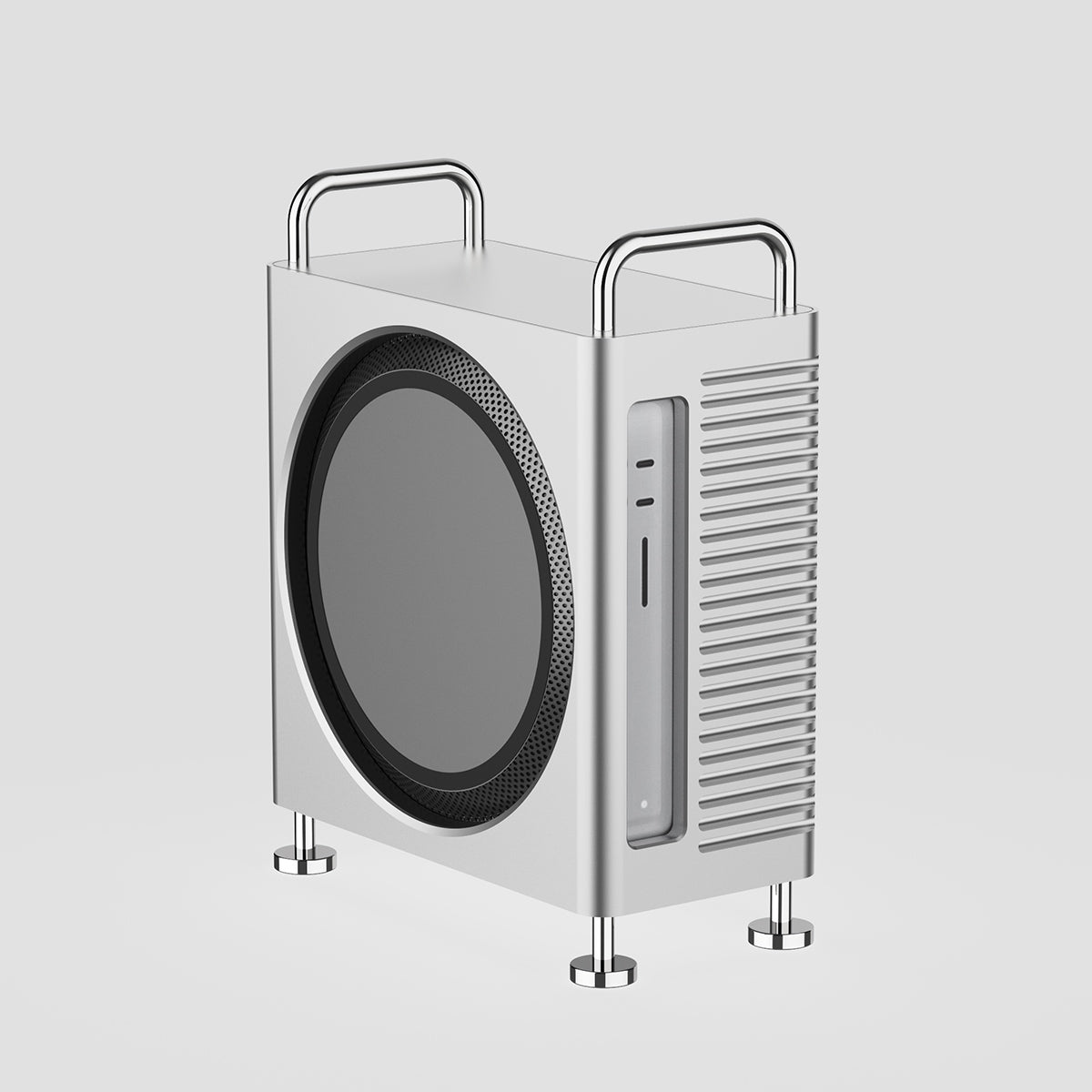
Apple already updated the Mac mini’s form factor in its recent generation, so the M5 version is expected to keep the same compact aluminum design. The focus this time is clearly on internal upgrades rather than external changes.

What Apple Is Planning Next
This table provides a clear overview of Apple’s 2026 product roadmap, separating already released devices from those still expected to launch.
| Time | Status | Product |
|---|---|---|
| Spring 2026 | Released | iPhone 17e |
| Released | M4 iPad Air | |
| Released | MacBook Neo | |
| Early 2026 | Released | MacBook Pro (M5) |
| Released | MacBook Air (M5) | |
| Mid 2026 | Expected | Mac mini (M5 / M5 Pro) |
| Expected | Mac Studio (M5 series) | |
| Expected | HomePod mini 2 | |
| Expected | Apple TV (new model) | |
| Late 2026 | Expected | iPhone 18 Pro |
| Expected | Foldable iPhone | |
| Expected | Apple Watch Series 12 | |
| Expected | iMac Pro (M5) | |
| 2027+ | Expected | iPhone 20th Anniversary Model |
| Expected | Apple AR / AI Glasses |
2026 Best MagSafe Case for iPhone 17 Pro Max


Final Thoughts
The M5 Mac mini doesn’t look like a typical yearly upgrade. Instead, it appears to be part of a larger shift in how Apple defines its desktop lineup, with a stronger emphasis on AI performance and on-device processing.


