
Apple’s $30B Broadcom Chip Deal: What It Means for iPhone 18 and Mac

Apple has announced a major new chip commitment with Broadcom, and it could shape future iPhones, Macs and wireless connectivity more than many buyers realize.
On July 8, 2026, Apple said its expanded Broadcom agreement is expected to exceed $30 billion and lead to more than 15 billion U.S.-made chips. The chips will focus on custom silicon components, radio frequency parts and wireless connectivity technologies used across Apple products.
So what does that mean for iPhone 18, future Macs, Apple Intelligence and device pricing? Here is the simple buyer-focused version.
Quick Answer
Apple’s $30 billion Broadcom deal does not mean the iPhone 18 will suddenly get a faster A-series processor.
The deal is mainly about wireless connectivity chips, custom silicon components and U.S.-based chip production.
For users, the most realistic benefits are better supply stability, stronger long-term wireless development and possibly smoother performance for features that depend on Wi-Fi, Bluetooth, GPS, 5G and device-to-device connectivity.
It does not guarantee lower iPhone prices. If anything, it shows Apple is trying to control supply-chain risk before future devices become even more complex.
What Apple Announced
Apple said it is increasing its spend with Broadcom through a new multiyear commitment to design and produce custom silicon components and advanced wireless connectivity technologies.
According to Apple, the agreement is expected to exceed $30 billion and will support production of more than 15 billion U.S.-made chips.
The deal also includes a $1.5 billion capital expenditure investment to expand and modernize Broadcom’s Fort Collins, Colorado facility.
Apple says Broadcom will produce advanced radio frequency components, including FBAR filters, and wireless connectivity technologies at the Fort Collins site.
Sources: Apple Newsroom, Reuters, MacRumors.
Why This Matters for iPhone 18
The iPhone 18 lineup is already expected to be one of Apple’s most complex iPhone cycles, with the iPhone 18 Pro, iPhone 18 Pro Max and a possible foldable iPhone all drawing attention.
Better wireless components matter because modern iPhones depend on far more than just the main chip.
Connectivity affects:
- 5G and cellular reliability
- Wi-Fi performance
- Bluetooth accessories
- GPS and location accuracy
- AirDrop and nearby-device features
- CarPlay stability
- MagSafe accessory behavior
This does not confirm any specific iPhone 18 feature. But it does suggest Apple is investing heavily in the parts of the device experience that users notice every day, especially when accessories, wireless charging, car mounts and connected devices are involved.
ZEERA MagSafe Wireless Charging Series
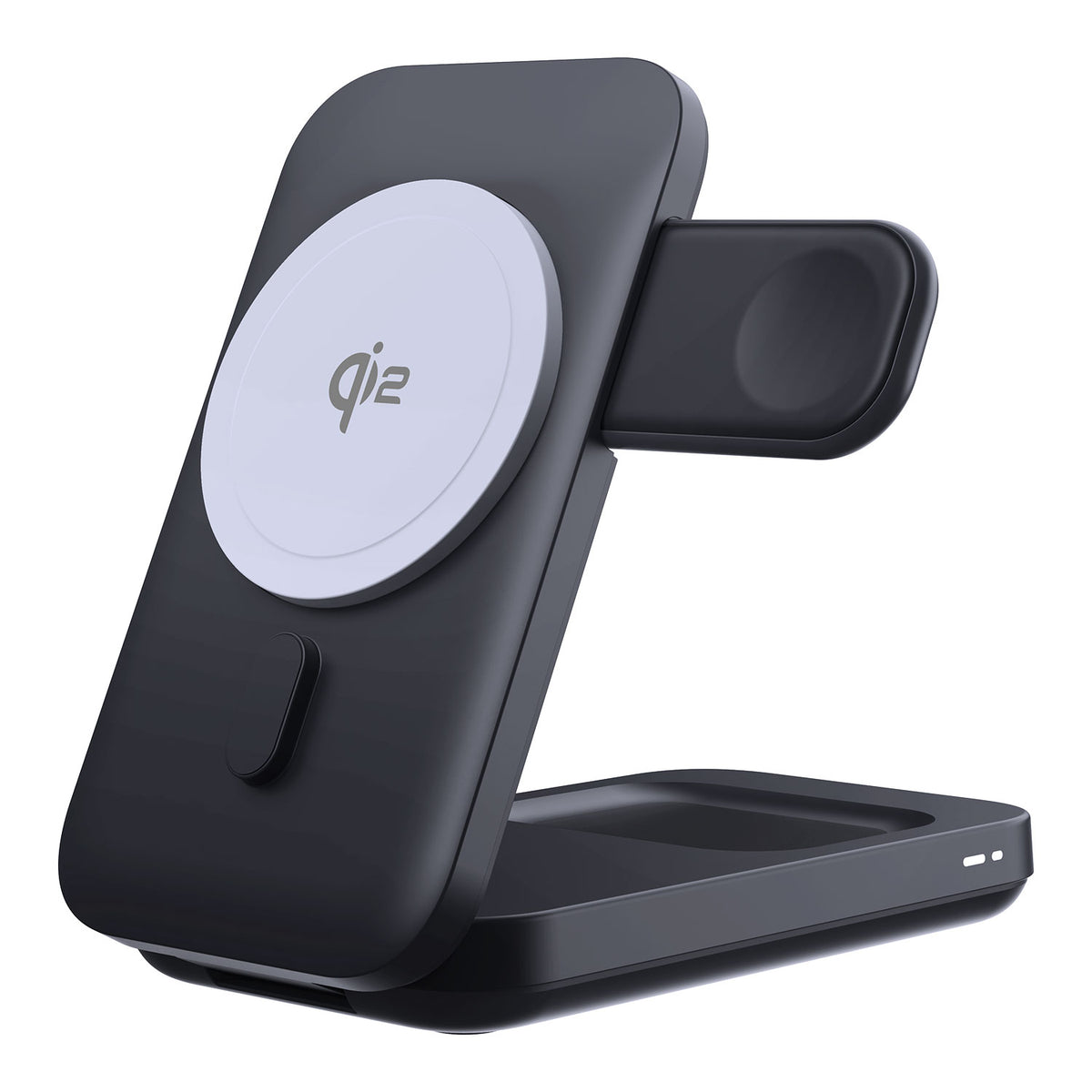
ZEERA MagTri Gen2 Qi2.2 Foldable MagSafe Charger
- 25W Qi2.2
- 3-in-1 fold
- Active cooling
- Travel size
- 3-device ready
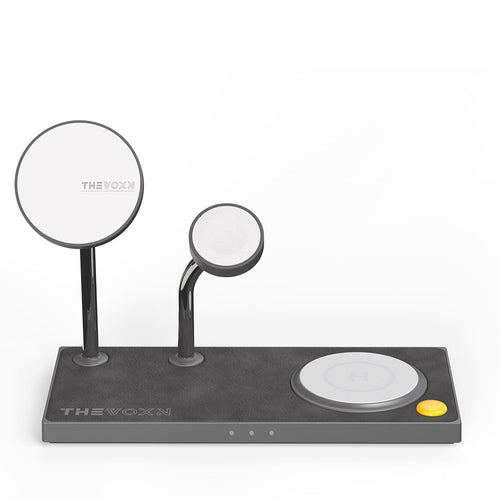
ZEERA MagSion 5-in-1 Dual MagSafe Charger Stand
- Dual MagSafe
- 5-in-1 stand
- Watch charging
- Angle adjust
- Clean setup
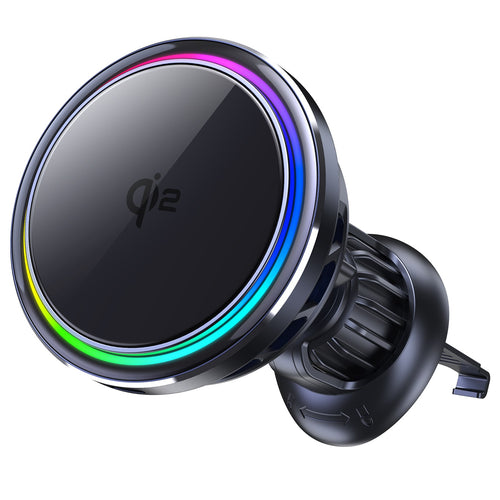
ZEERA SuVolt Gen5 Qi2.2 Active Cooling Car Charger
- 25W Qi2.2
- Active cooling
- Strong magnet
- CarPlay ready
- Heat control
Will This Make iPhone 18 Faster?
Not in the simple “new CPU equals faster phone” way.
The main iPhone processor is Apple’s A-series chip. Broadcom’s role is more closely tied to wireless and connectivity components. That means this deal is more likely to affect reliability, supply, radio performance and future custom wireless technologies than raw app launch speed.
For everyday users, that still matters. A phone can have a powerful processor but still feel frustrating if wireless charging is inconsistent, Bluetooth drops, GPS is slow or CarPlay disconnects during a drive.
The better way to read this news is: Apple is strengthening the invisible parts of future devices, not announcing a headline iPhone 18 speed upgrade.
Could It Affect iPhone Prices?
This deal does not mean future iPhones will become cheaper.
Producing more components in the U.S. may help Apple reduce some supply-chain and tariff risk, but U.S.-based manufacturing is not automatically lower cost. It can also require heavy investment before the benefits appear.
For the iPhone 18 series, pricing pressure may still come from other areas, including memory, storage, displays, cameras, batteries and advanced packaging.
In other words, this Broadcom deal may help Apple protect its supply chain, but buyers should not expect it to cancel out every cost increase in the iPhone 18 cycle.
Why Wireless Chips Matter More Now
Apple devices are becoming more connected every year.
An iPhone is no longer just a phone. It connects to AirPods, Apple Watch, Mac, iPad, CarPlay, MagSafe chargers, smart home devices, Find My accessories and cloud-based AI services.
That makes wireless performance a bigger part of the daily experience.
If Apple wants future iPhones and Macs to feel more seamless, it needs strong control over the wireless stack. The Broadcom deal fits that direction.
What It Could Mean for Apple Intelligence
Apple has not said this deal is specifically for Apple Intelligence.
However, AI features depend on more than the device chip. They also depend on fast local processing, reliable cloud connections, low-latency networking and strong coordination between devices.
If future Apple Intelligence features become more connected across iPhone, Mac, iPad and cloud services, wireless reliability becomes more important.
That does not mean Broadcom is suddenly replacing Apple’s AI chips. It means connectivity is one of the foundations that makes AI features feel useful in real life.
What It Could Mean for Mac Users
Apple says the Broadcom agreement covers a wide range of Apple products, not only iPhone.
For Mac users, the most relevant areas are likely wireless connectivity, Bluetooth accessories, Wi-Fi performance, AirDrop, Continuity, external displays, keyboards, mice and multi-device workflows.
If you use a Mac mini or Mac Studio as a desktop workstation, wireless stability may not sound exciting. But it affects the daily setup more than people think, especially when you rely on wireless peripherals, AirDrop, iPhone mirroring, hotspot, AirPods or cross-device copy and paste.
ZEERA Mac Aluminum Case Series
ZEERA MacForge CNC Mac Studio Aluminum Case
- CNC aluminum
- Mac Pro style
- Cooling grille
- Tool-free fit
- Studio guard

ZEERA MacForge Gen3 CNC Aluminum Mac Mini Case
- Mac Pro grille
- CNC chassis
- Better airflow
- SSD expansion
- Front ports

Does This Confirm Any iPhone 18 Feature?
No.
The announcement does not confirm iPhone 18 specs, release date, pricing, modem details or Apple Intelligence features.
It is a supply-chain and component-production announcement. The safest interpretation is that Apple is investing in long-term control over wireless components used across future Apple products.
For buyers, that means this news should be treated as background context, not a reason to upgrade by itself.
Why Apple Wants More U.S.-Made Chips
Apple’s supply chain is global, but political pressure, tariffs and chip shortages have made regional production more important.
By expanding U.S.-based chip production, Apple can reduce some dependence on distant manufacturing points and show stronger commitment to domestic investment.
This does not mean iPhones will be fully made in the United States. Most Apple devices still rely on a broad international supply chain. But producing more key components in the U.S. gives Apple another layer of flexibility.
Should Buyers Care About This Deal?
Most buyers do not need to change their upgrade plans because of this announcement.
If you are choosing between an iPhone 17 model and waiting for iPhone 18, this Broadcom deal is not the main deciding factor. Camera upgrades, RAM, battery life, design changes, Apple Intelligence support and pricing will matter more.
But this news does help explain why Apple may be preparing for a heavier, more expensive and more complex device cycle in 2026.
The iPhone 18 series, future Macs and a possible foldable iPhone all need reliable component supply. Apple’s Broadcom deal is one part of that larger setup.


Buy Now or Wait Because of This News?
Do not wait for iPhone 18 only because Apple signed a larger Broadcom deal.
Wait if you already want the iPhone 18 for stronger Apple Intelligence support, better cameras, a new design, more RAM or a possible foldable option.
Buy now if your current iPhone is unreliable, your battery is weak or you can get a strong iPhone 17 deal.
This chip deal is important for Apple’s long-term direction, but it is not a direct buying signal for most users today.
What to Watch Next
The next useful signals will be more specific than this announcement.
Watch for:
- iPhone 18 wireless chip reports
- Apple modem and Broadcom component updates
- Wi-Fi and Bluetooth upgrade rumors
- iPhone 18 Pro pricing reports
- Apple Intelligence hardware requirements
- Mac mini and Mac Studio wireless performance changes
If future leaks connect this deal to a specific iPhone 18 feature, that would make the story more actionable for buyers.
Bottom Line
Apple’s $30 billion Broadcom chip deal is not a flashy consumer feature, but it matters.
It shows Apple is investing heavily in the wireless and custom silicon components behind future iPhones, Macs and connected Apple experiences.
For iPhone 18 buyers, the practical takeaway is simple: this deal may support better long-term connectivity and supply stability, but it does not confirm a faster phone or lower prices.
The real iPhone 18 buying decision will still come down to confirmed specs, Apple Intelligence support, battery life, camera upgrades and final pricing.
Related Reading
- iPhone 18 Pro Max Release Date, Price, Specs and Rumors
- iPhone 17 Pro Max vs iPhone 18 Pro Max: Buy Now or Wait?
- Mac mini M4 vs M5: Should You Buy Now or Wait?
- ZEERA MagSafe Wireless Charging Series
FAQ
What is Apple’s $30 billion Broadcom deal?
It is a new multiyear commitment for Broadcom to design and produce custom silicon components and wireless connectivity technologies for Apple products. Apple says the deal is expected to exceed $30 billion.
Will the deal affect iPhone 18?
Possibly, but Apple has not confirmed any iPhone 18 feature from this deal. The most likely connection is wireless components, supply stability and future connectivity technologies.
Does this mean iPhone 18 will be cheaper?
No. U.S.-made chip production may reduce some supply-chain risk, but it does not guarantee lower iPhone prices.
Is Broadcom making the main iPhone processor?
No. Apple’s main iPhone processors are A-series chips. Broadcom is more closely associated with wireless and radio frequency components.
Why does this matter for Mac users?
Apple says the deal covers a wide range of products. For Mac users, the most relevant areas may include Wi-Fi, Bluetooth, AirDrop, Continuity and wireless accessory reliability.


