
Apple vs OpenAI Lawsuit: What It Could Mean for Siri AI and iPhone Hardware

Apple has filed a lawsuit against OpenAI and two former Apple employees, accusing them of misappropriating trade secrets related to unreleased hardware technologies.
The case is still new, and the claims have not been proven in court. OpenAI has denied wrongdoing, according to multiple reports. But the lawsuit matters because it comes at a sensitive moment: Apple is rebuilding Siri, expanding Apple Intelligence, and preparing for a future where AI may depend on both software and new hardware.
This article explains what the Apple vs OpenAI lawsuit means for iPhone users, Siri AI, Apple Intelligence, and future Apple hardware strategy.
Quick Answer
Apple’s lawsuit against OpenAI does not change Siri or Apple Intelligence for users today.
The bigger meaning is strategic. Apple is signaling that AI hardware, device design, supply-chain knowledge and private user experiences are becoming extremely valuable.
If the lawsuit affects anything long term, it may push Apple to rely more heavily on its own AI stack, its own hardware roadmap, and tighter control over future Siri AI experiences.
For buyers, this is not a reason to delay an iPhone purchase by itself. But it does show why future iPhones, Macs and AI features may become more integrated and harder to separate from Apple’s hardware ecosystem.
What Happened?
Apple has sued OpenAI, alleging that OpenAI and former Apple employees improperly used Apple trade secrets connected to unreleased hardware work.
Reports say the lawsuit involves OpenAI, io Products, and two former Apple employees. The allegations include claims about confidential product designs, supplier information, hardware processes and internal Apple materials.
OpenAI has denied wrongdoing, and the case will need to move through court before any final legal conclusion is reached.
Sources: Reuters, The Verge, The Guardian.
Why This Matters Beyond the Lawsuit
This is not just a normal corporate dispute. It sits at the center of three major technology shifts:
- AI assistants are becoming system-level interfaces.
- AI hardware may become a new product category.
- Private device data is becoming more valuable than ever.
Apple has spent years building a product strategy around tight hardware and software integration. OpenAI, meanwhile, has been moving beyond chat software and into consumer AI hardware.
That overlap explains why this dispute is important. The future of AI may not be only about who has the best chatbot. It may also depend on who controls the device, the sensors, the operating system, the private data layer and the accessory ecosystem around it.
What It Could Mean for Siri AI
Apple has already been working on a more advanced Siri experience for iOS 27 and future versions of Apple Intelligence.
The lawsuit does not confirm any Siri feature. However, it may reinforce Apple’s long-term direction: more control, more privacy, and more on-device processing where possible.
That could mean Apple continues to build Siri as a deeply integrated system assistant instead of relying too heavily on outside AI companies.
For users, the key question is simple: will Siri become more useful because Apple controls the whole experience, or will it move slower because Apple is more cautious?
The answer may be both. Apple’s approach could be slower than some AI startups, but it may also be more focused on security, device context and private user data.
Could This Change Apple’s AI Partnerships?
Apple has worked with outside AI providers before, including ChatGPT integration in earlier Apple Intelligence features.
But this lawsuit shows how complicated those partnerships can become when AI companies start building hardware or competing more directly with Apple’s device ecosystem.
In the short term, users should not expect their iPhones to suddenly lose AI features because of this lawsuit.
In the long term, Apple may be more selective about which outside models it connects to Siri, how much access those models get, and how clearly users are told when data leaves the device.
ZEERA MagSafe Wireless Charging Series
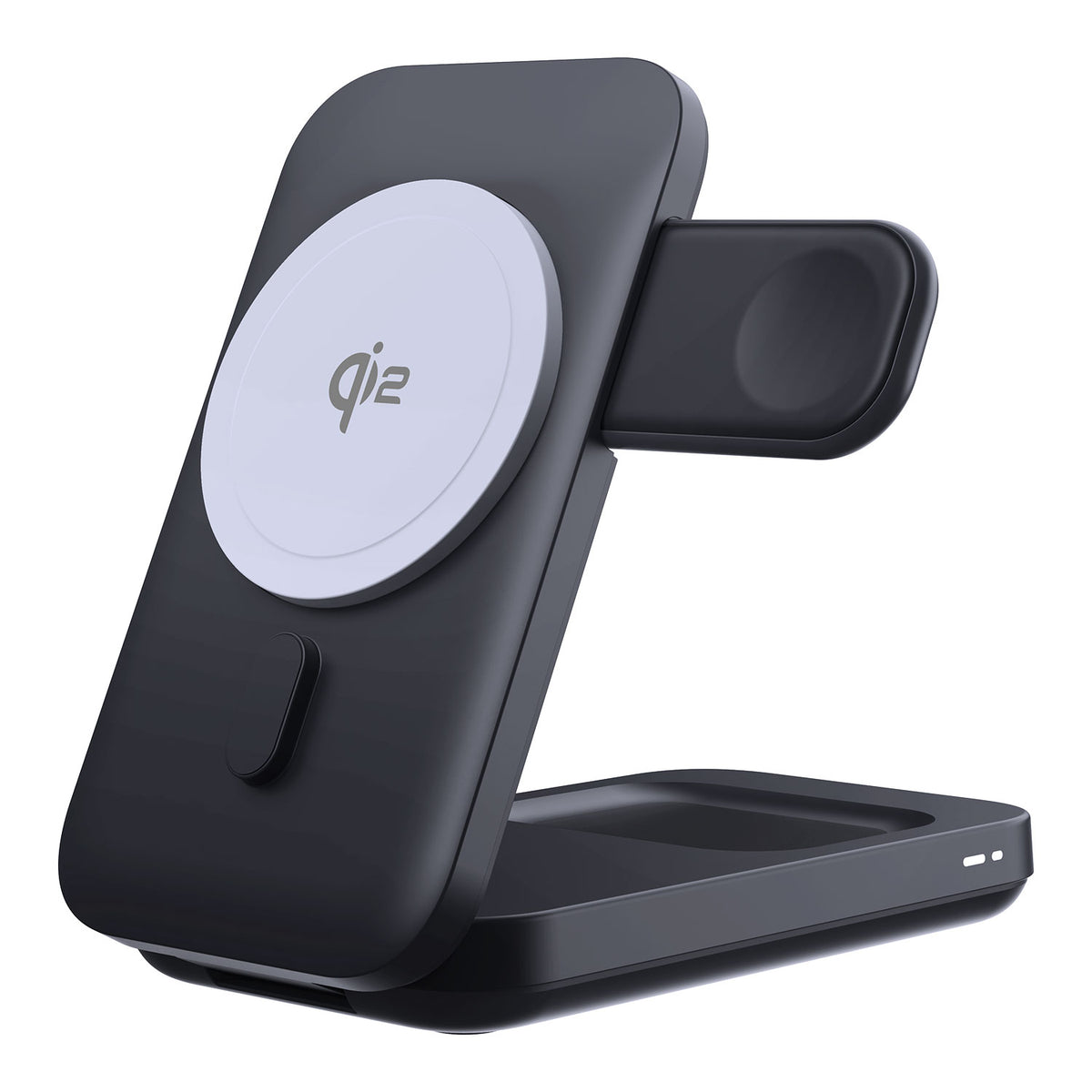
ZEERA MagTri Gen2 Qi2.2 Foldable MagSafe Charger
- 25W Qi2.2
- 3-in-1 fold
- Active cooling
- Travel size
- 3-device ready
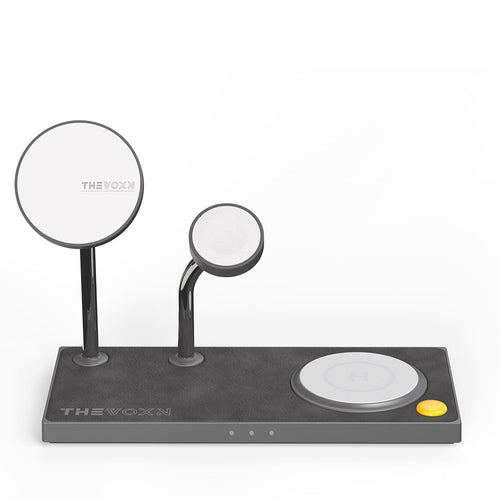
ZEERA MagSion 5-in-1 Dual MagSafe Charger Stand
- Dual MagSafe
- 5-in-1 stand
- Watch charging
- Angle adjust
- Clean setup
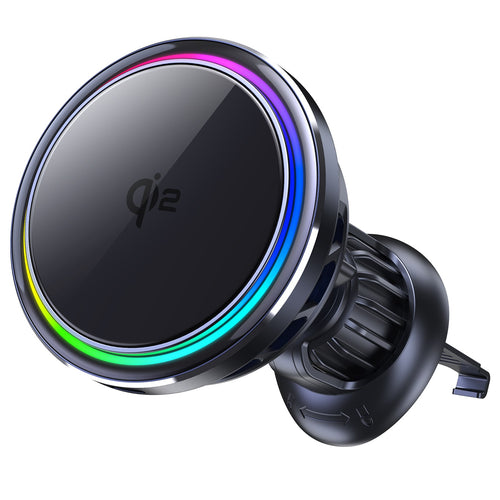
ZEERA SuVolt Gen5 Qi2.2 Active Cooling Car Charger
- 25W Qi2.2
- Active cooling
- Strong magnet
- CarPlay ready
- Heat control
What It Could Mean for Future iPhone Hardware
The most interesting part of the lawsuit is not only Siri. It is hardware.
OpenAI has been moving toward consumer AI devices, while Apple already controls one of the most important AI hardware platforms in the world: the iPhone.
Future iPhones may need more advanced sensors, stronger on-device AI chips, better microphones, improved cameras, lower-latency wireless connections and more efficient thermal design.
That is why hardware secrets matter. In an AI-first device market, the shape of the device, the internal layout, the camera system and the accessory ecosystem may become part of the AI experience.
Why AI Hardware Is Different From Normal Gadgets
AI hardware is not just about a screen and a chip.
A useful AI device needs to understand context. That means it may rely on cameras, microphones, location, motion sensors, local files, messages, calendar data, photos, apps and cloud services.
Apple’s advantage is that iPhone, iPad, Mac, Apple Watch and AirPods already sit inside that personal context.
OpenAI’s challenge is different. It needs to turn AI into a daily-use physical product, not just a chat interface. That is exactly where hardware design and supply-chain knowledge become valuable.
What Users Should Actually Watch
Most users do not need to follow every legal filing. The practical signs to watch are much simpler.
- Whether Siri AI becomes more Apple-built or more partner-based.
- Whether Apple adds more on-device AI features in iOS 27 and iOS 28.
- Whether future iPhones require more RAM for advanced AI features.
- Whether Apple changes its ChatGPT or third-party model integrations.
- Whether OpenAI’s first hardware device competes directly with iPhone.
- Whether Apple uses privacy and hardware control as a stronger selling point.
These are the signals that will matter more to buyers than the lawsuit itself.
Does This Affect iPhone Buyers Today?
No, not directly.
If you need a new iPhone now, this lawsuit should not be the main reason to buy or wait. It does not change today’s camera quality, battery life, MagSafe support or iOS performance.
However, it does add useful context for anyone deciding whether to wait for iPhone 18, Siri AI upgrades or future Apple Intelligence features.
If you care about AI features, privacy and long-term software support, this lawsuit is another reminder that Apple wants to control the most important layers of the experience.
What About iPhone 18 and iPhone Fold?
The lawsuit does not confirm anything about iPhone 18 or iPhone Fold.
But future iPhones are expected to rely more heavily on AI features, advanced camera input, device context, memory, wireless performance and possibly new form factors.
That makes Apple’s control over hardware design even more important.
A foldable iPhone, for example, would not just be a bigger screen. It would require new internal layouts, new thermal choices, new camera placement decisions, new hinge design and new accessory behavior.
That is why any dispute over hardware knowledge is worth watching, even if it does not immediately change the next iPhone launch.
Could Apple Build More AI Hardware Itself?
Apple already does.
The iPhone, Mac, iPad, Apple Watch and AirPods are all AI hardware platforms in different ways. The difference is that Apple usually hides the AI behind useful features instead of selling a separate “AI device” story.
That may continue. Instead of launching a separate AI gadget, Apple may keep turning the iPhone into a more personal AI device through Siri, Apple Intelligence, Visual Intelligence and deeper app integration.
This approach is slower, but it fits Apple’s strength: hardware, software, chips, privacy and accessories working together.
What It Means for Mac Users
Mac users should also pay attention.
Apple Intelligence is not only an iPhone story. Macs are becoming central to AI writing, image generation, coding help, file search, productivity workflows and private on-device processing.
If Apple becomes more protective of its AI hardware and software direction, future Macs may get tighter integration with Siri, iPhone, Apple Intelligence and local AI models.
For Mac mini and Mac Studio users, this may also increase the importance of thermal design, desk setup, external accessories and long-term hardware stability.
ZEERA Mac Aluminum Case Series
ZEERA MacForge CNC Mac Studio Aluminum Case
- CNC aluminum
- Mac Pro style
- Cooling grille
- Tool-free fit
- Studio guard

ZEERA MacForge Gen3 CNC Aluminum Mac Mini Case
- Mac Pro grille
- CNC chassis
- Better airflow
- SSD expansion
- Front ports

Buy Now or Wait?
For normal users, this lawsuit should not decide your next Apple purchase.
Buy now if your current iPhone or Mac is unreliable, your battery is weak, or you have a strong deal on a current model.
Wait if your main reason to upgrade is advanced Siri AI, deeper Apple Intelligence support, future on-device AI performance, or the rumored iPhone 18 lineup.
The lawsuit is important, but it is not a product announcement. The smarter move is to watch how Apple responds in iOS 27, iOS 28 and future hardware releases.
Bottom Line
The Apple vs OpenAI lawsuit does not change Siri AI today, but it reveals how important AI hardware and private device knowledge have become.
Apple is defending the parts of its ecosystem that could matter most in the next AI era: hardware design, software integration, supply-chain knowledge, privacy and user context.
For iPhone and Mac users, the practical takeaway is simple. Future Apple AI features will likely depend more deeply on Apple-controlled hardware, not just cloud models or third-party chatbots.
That means the next stage of Siri AI may be less about copying ChatGPT and more about making iPhone, Mac and Apple Intelligence work together in a way other AI companies cannot easily replicate.
Related Reading
- iOS 27 Beta 2: What’s New, Known Issues, Siri AI Access and Should You Update?
- Siri App in iOS 27: Apple Is Turning Siri Into a ChatGPT-Style AI Platform
- iPhone 18 Pro Max Release Date, Price, Specs and Rumors
- Mac mini M4 vs M5: Should You Buy Now or Wait?
FAQ
Did Apple sue OpenAI?
Yes. Apple has filed a lawsuit against OpenAI and two former Apple employees, alleging misappropriation of trade secrets. The case is still ongoing, and the allegations have not been proven in court.
Does this affect Siri on my iPhone today?
No. The lawsuit does not immediately change Siri, Apple Intelligence or existing iPhone features.
Could this change Apple Intelligence in the future?
Possibly. The case may push Apple to rely more heavily on its own AI systems, hardware integration and privacy-focused approach.
Will Apple stop working with third-party AI companies?
Apple has not announced that. However, the lawsuit shows that AI partnerships can become complicated when outside companies move into hardware and compete more directly with Apple.
Should I wait for iPhone 18 because of this lawsuit?
Not because of the lawsuit alone. Wait for iPhone 18 if you want stronger AI hardware, future Siri AI features, better cameras or a new design. Otherwise, current iPhones remain the safer choice for many users.


