
iOS 26.6 Beta 5 Malicious Message Warning Explained: What You Need to Know
Updated July 15, 2026
Code found in iOS 26.6 Beta 5 reveals a new “Malicious Message Detected” warning that may appear when a message could harm an iPhone or compromise the user’s privacy.
Apple has not announced the feature, and no one has publicly shown the warning detecting a real attack. The image circulating online is a concept mockup based on text found inside the beta.

Quick Answer
iOS 26.6 Beta 5 contains code for a new malicious message warning.
The alert may give users the option to share a suspicious message with Apple for investigation.
Apple has not explained what triggers the warning, whether detection happens entirely on the iPhone or what information would be included in a report.
The alert has not yet been publicly seen working, and it is not listed in Apple’s official Beta 5 release notes.
Most users should wait for the public iOS 26.6 release instead of installing the beta to look for this feature.
What Is the iOS 26.6 Malicious Message Warning?
The new alert was discovered in system strings included with iOS 26.6 Beta 5.
Its title reads:
Malicious Message Detected
The warning reportedly tells the user that Apple has detected a message from someone who may be trying to harm the iPhone or compromise the user’s privacy.
The code includes three possible actions:
- Not Now
- Share With Apple
- Don’t Report
Selecting “Share With Apple” may send the suspicious message to Apple so its security teams can investigate the attack and improve future protection.
However, Apple has not published documentation explaining how that reporting process would work.


Is the Warning Already Available in Beta 5?
The code is present, but the feature has not been publicly confirmed as active.
MacRumors reports that the actual alert has not yet been seen on an iPhone. The image shared online was created from the interface text found in Beta 5 rather than captured after a real malicious message was detected.
| What Is Confirmed | What Remains Unknown |
|---|---|
| The warning text exists in Beta 5 | Whether the feature is currently enabled |
| The alert refers to device and privacy risks | Which messages can trigger it |
| A user may be able to share a message with Apple | What data is included in the report |
| Beta 5 was released on July 13 | Whether the feature will ship publicly |
Apple frequently includes unfinished code, text or frameworks in beta software. Some features are enabled later, changed before launch or removed entirely.
What Types of Messages Could It Detect?
Apple has not revealed its detection criteria.
The warning could potentially respond to several types of threats:
- Phishing links designed to steal passwords or payment details
- Messages impersonating Apple, a bank or a delivery company
- Suspicious images, documents or other attachments
- Content matching a known Messages exploit
- More advanced attacks that require little or no user interaction
These are possible use cases, not confirmed categories.
The new warning should also not be confused with ordinary spam filtering. Spam tools mainly separate unwanted advertising, scams and unknown senders. A malicious-message warning appears intended for content that may present a more direct security or privacy risk.
Does Apple Scan or Read Your iMessages?
There is no evidence that iOS 26.6 uploads every private conversation to Apple.
Apple says iMessage content and attachments are protected by end-to-end encryption, so only the sender and receiver can normally access them.
The wording found in Beta 5 suggests that the user must choose “Share With Apple” before a suspicious message is submitted.
This could allow Apple to receive an attack sample that would otherwise remain unavailable because of iMessage encryption.
What is still unclear: Apple has not said whether the initial detection happens entirely on the device or whether a report includes the full message, sender details, links, attachments or diagnostic data.
Until Apple publishes technical documentation, it would be inaccurate to claim that the feature is fully on-device or that Apple scans every iMessage.

How Is This Different From BlastDoor?
Apple introduced BlastDoor as a background security system for Messages in iOS 14.
BlastDoor isolates and processes untrusted message data inside a restricted environment. Its purpose is to make it harder for a specially constructed message or attachment to affect the rest of iOS.
The new warning could serve a different role.
- BlastDoor: works mainly in the background.
- Malicious Message warning: may tell the user that a specific message looks dangerous.
- Share With Apple: may allow the user to submit the suspicious content for investigation.
If Apple enables the alert publicly, it would add a visible, user-controlled layer to the protections already operating inside Messages.
Could a Fake Website Copy the Warning?
Yes. Fake virus alerts already appear on malicious websites, and scammers may copy the wording or appearance of the new warning.
A genuine iOS alert should not ask you to:
- Call an unfamiliar support number
- Pay to remove a virus
- Enter an Apple Account password on a website
- Provide a verification code
- Install a configuration profile or unknown app
If a warning appears inside Safari and redirects you to a security service or payment page, close the tab without interacting with it.
What Should You Do If the Warning Appears?
- Do not open the original link or attachment.
- Check where the warning appears. A Safari webpage is not the same as an iOS system alert.
- Do not reply to the sender.
- Review the sharing explanation. Check what Apple says will be submitted before selecting “Share With Apple.”
- Block the sender if the message is clearly suspicious.
- Keep iOS updated to receive the latest security fixes.
Do not assume that receiving the warning means the iPhone has already been compromised. It may indicate that the message contains suspicious content or resembles a known attack pattern.
What Else Is New in iOS 26.6 Beta 5?
The malicious-message warning is the main new discovery in Beta 5, but the wider iOS 26.6 beta cycle includes several other changes.
- Blocked Contacts limit warning: iOS now displays a clearer alert when the blocked-contacts list reaches its maximum capacity. Users must remove an existing entry before blocking another caller.
- Possible anti-snatching lock: Code suggests Apple is developing a feature that could automatically lock an iPhone when sudden movement and other signals indicate that it has been grabbed from the owner’s hand.
- Apple Maps BlastDoor protection: A new Maps BlastDoor framework may isolate and validate untrusted data processed by Apple Maps, although Apple has not explained how the system works.
- Preparation for Siri AI indexing: iOS 26.6 may prepare the Spotlight index that Siri AI will use in iOS 27 to find information across the iPhone more effectively.
- Bug fixes and performance improvements: Apple is not expected to add many major user-facing features. The update primarily appears focused on stability, security and final refinements before iOS 27.
Not all of these changes are exclusive to Beta 5, and some were first found in earlier iOS 26.6 betas. Apple has also not confirmed that every code reference will become a public feature.

Should You Install iOS 26.6 Beta 5?
Most iPhone users should wait for the public release.
The malicious-message warning may not be active, and Beta 5 can still cause battery drain, app issues or unexpected restarts. It is best suited to developers and experienced testers using a secondary iPhone.
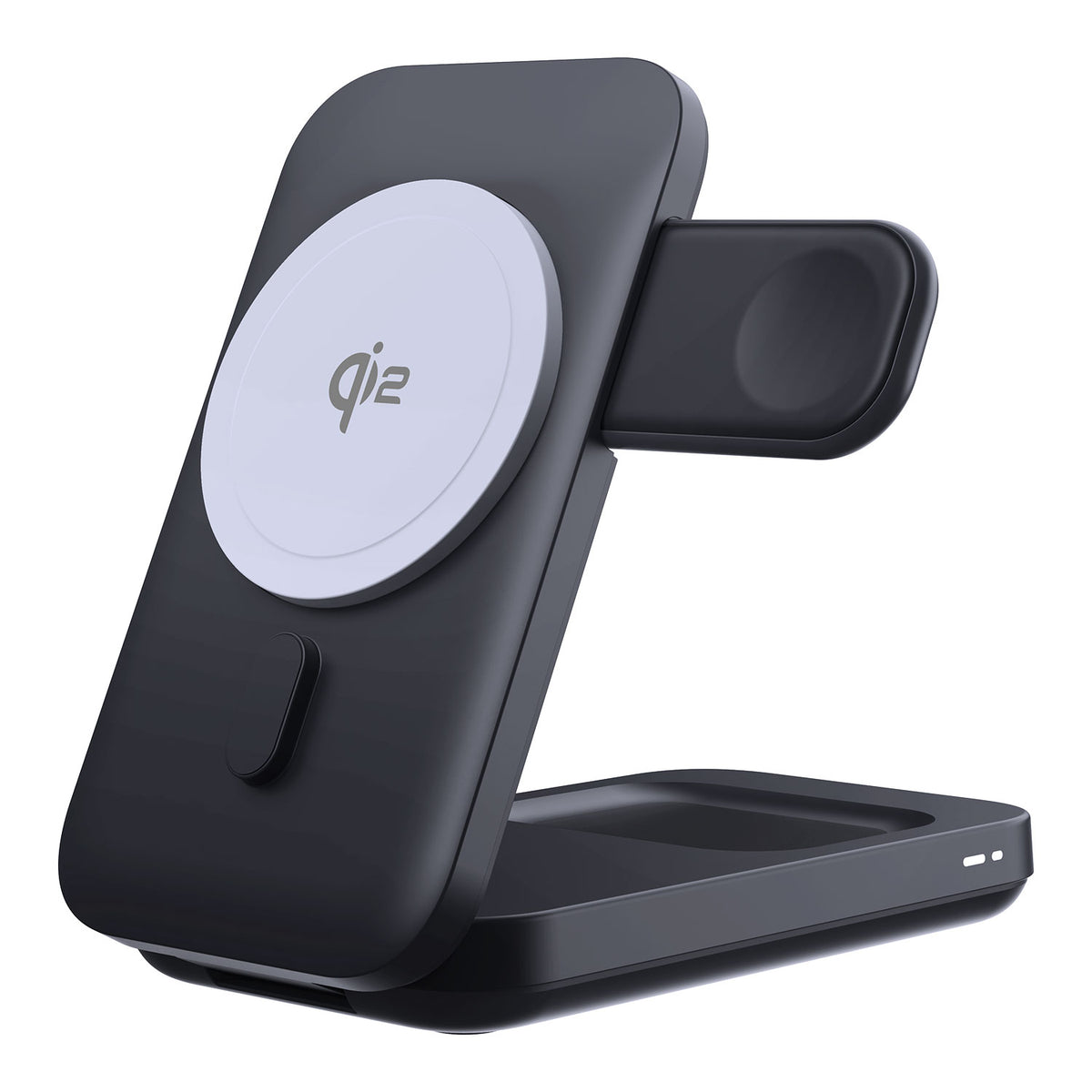
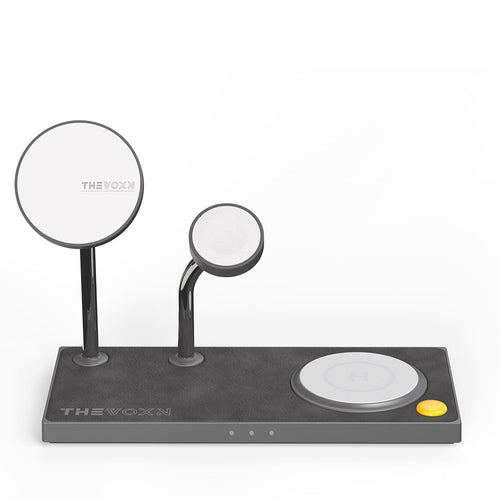
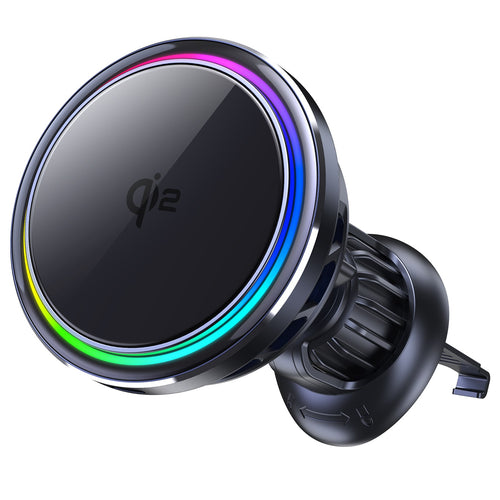
Beta testing can also mean more frequent charging. A stable MagSafe setup, such as the ZEERA MagSafe Wireless Charging Series, can make it easier to keep a test device powered during daily use.
ZEERA MagSafe Wireless Charging Series
ZEERA MagTri Gen2 Qi2.2 Foldable MagSafe Charger
- 25W Qi2.2
- 3-in-1 fold
- Active cooling
- Travel size
- 3-device ready
ZEERA MagSion 5-in-1 Dual MagSafe Charger Stand
- Dual MagSafe
- 5-in-1 stand
- Watch charging
- Angle adjust
- Clean setup
ZEERA SuVolt Gen5 Qi2.2 Active Cooling Car Charger
- 25W Qi2.2
- Active cooling
- Strong magnet
- CarPlay ready
- Heat control
When Will iOS 26.6 Be Released?
Apple has not announced the public release date for iOS 26.6.
Beta 5 arrived on July 13, suggesting that testing is nearing its final stages. A release later in July is possible, but it remains an estimate rather than an official date.
Apple could release another beta or a release candidate before the public update.
iOS 26.6 Malicious Message Warning FAQ
Is the iOS 26.6 malicious message warning real?
The code and warning text appear to be real. However, the circulating image is a mockup, and the feature has not been publicly shown detecting an actual malicious message.
Does iOS 26.6 scan every message?
Apple has not said that every message is scanned or uploaded. The detection method has not been explained.
Does the warning work with SMS and RCS?
That remains unknown. Reports often describe it as an iMessage warning, but Apple has not listed the supported message types.
What happens when you choose “Share With Apple”?
The option may submit the suspicious message for security analysis. Apple has not disclosed exactly what content or metadata would be included.
Is the feature included in the public iOS 26.6 release?
That has not been confirmed. Features found in beta code can be changed, delayed or removed before launch.
Bottom Line
iOS 26.6 Beta 5 contains code for a new warning designed to make potentially dangerous messages more visible to iPhone users.
The reporting option could help Apple investigate phishing attempts and more sophisticated Messages attacks. However, Apple still needs to explain how detection works and what information is shared.
For now, users should treat the warning as an unreleased feature, avoid suspicious links and keep their iPhone on the latest stable version of iOS.


